
Building with Claude Code
Using AI to build this website taught me more about development than I expected. Here's what I learned.
When I decided to build this site, I made a choice: I'd use Claude Code as my main collaborator. Not to replace the learning, but to accelerate it.
That turned out to be more interesting than I anticipated.
What Claude Code actually is
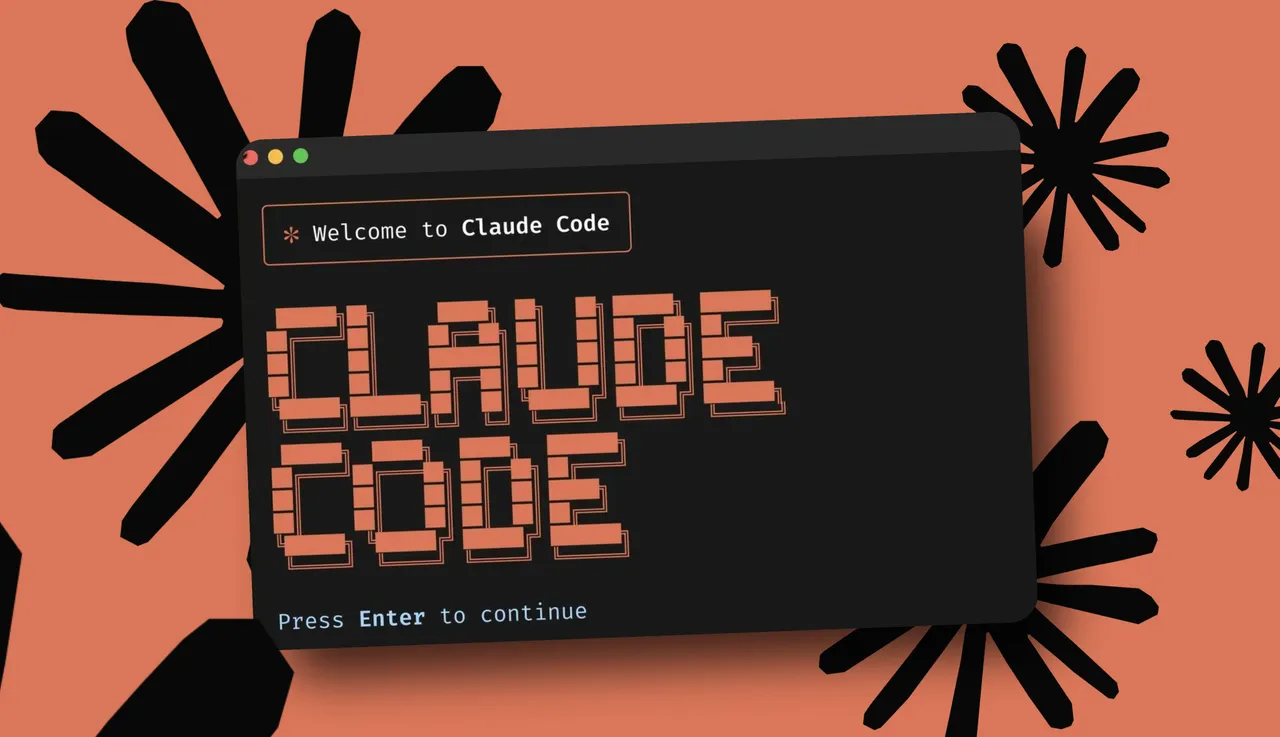
Claude Code is a CLI tool from Anthropic — you run it in your terminal, and it can read and write files in your project, run commands, search your codebase, and help you think through problems. It's an AI that works with your actual code, not just in a chat window.
The mental shift is real. You're not just copy-pasting code from a chat interface. Claude Code acts more like a pair programmer — one who never gets tired, never judges your questions, and has read an enormous amount of code.
What I learned
You still have to know what you want.
This is the biggest thing. Claude Code is only as useful as the direction you give it. If you say "make this look better," you'll get something generic. If you say "apply our design system's color variables, use Playfair Display for the heading, and keep the layout under 720px wide," you'll get something that actually fits.
The clearer I got about what I wanted, the better the output. That clarity is, itself, a valuable skill to develop.
The design work is still yours.
Claude can implement a design system. It can't have taste. The color palette, the typography choices, the spacing philosophy — those came from me reading design blogs, studying sites I admired, and making decisions. Claude is a great implementer. The creative direction is still fully human.
What surprised me
The speed. Building something that would have taken me weeks of learning-from-scratch took days. Not because the quality was lower — it wasn't — but because I could focus on the decisions that mattered rather than fighting with syntax.
Also: the conversation. Talking through a problem with Claude Code, even when you're not sure what you want yet, often helps you figure it out. It's like rubber duck debugging, but the duck talks back.
Would I recommend it?
For learning? Yes, with caveats.
You have to stay engaged. Use it as a collaborator, not a vending machine. Question the output. Understand what it's building. Read the docs for the things it uses. Don't let it make all the decisions.
If you do that, it's a genuinely powerful way to learn while building something real.
Which, at the end of the day, is all I was trying to do.